Understanding the Basics of Birding Life Lists
What is a Birding Life List?
A birding life list is a comprehensive record of all the bird species an individual has observed throughout their life, specifically during birdwatching activities. This list can be a powerful tool for both novice and seasoned birders, serving as a personal log of experiences and a way to track one's birdwatching journey. It can include species seen in various locations, but for backyard birding enthusiasts, the focus is primarily on birds spotted in their own backyards.
The Importance of Tracking Your Observations
Tracking your observations through a life list is important for several reasons. Firstly, it enables you to document your experiences and growth as a birder. Each entry into your list represents a memory and a connection with nature. Secondly, maintaining a life list can motivate you to observe more frequently and pay closer attention to the avian life around you. Lastly, it can also serve as a means of contributing to citizen science, as many birdwatchers share their data with organizations that study bird populations and movements.
Setting Realistic Goals for Your List
When starting your backyard birding life list, it's essential to set realistic goals. Depending on where you live, the number of species you can expect to see varies significantly. For example, an urban backyard in New York City may yield around 50 to 100 species, while a rural area may have a broader range of around 150 species or more. Start with a manageable target, such as aiming to identify 20 species in your first year, and gradually increase that number as you become more comfortable with birdwatching techniques and identification.
Essential Tools for Backyard Birding
Choosing the Right Binoculars
Investing in a good pair of binoculars is crucial for backyard birding. Look for binoculars with at least 8x magnification and a 42mm objective lens, such as the Nikon Monarch 5 or Vortex Diamondback. These options provide a good balance between light gathering and field of view, making it easier to spot and identify birds. Comfort and weight are also important; ensure that the binoculars fit well in your hands and are not too heavy for extended use.
Recommended Field Guides and Apps
Having a reliable field guide is essential for identifying birds. Books like the National Geographic Field Guide to the Birds of North America or the Peterson Field Guide to Birds are excellent choices, as they provide detailed illustrations and descriptions of various species. In addition to physical guides, consider using bird identification apps such as Merlin Bird ID or iBird Pro. These apps not only help with identification but often include features like bird calls and sighting locations.
Setting Up Your Birdwatching Station
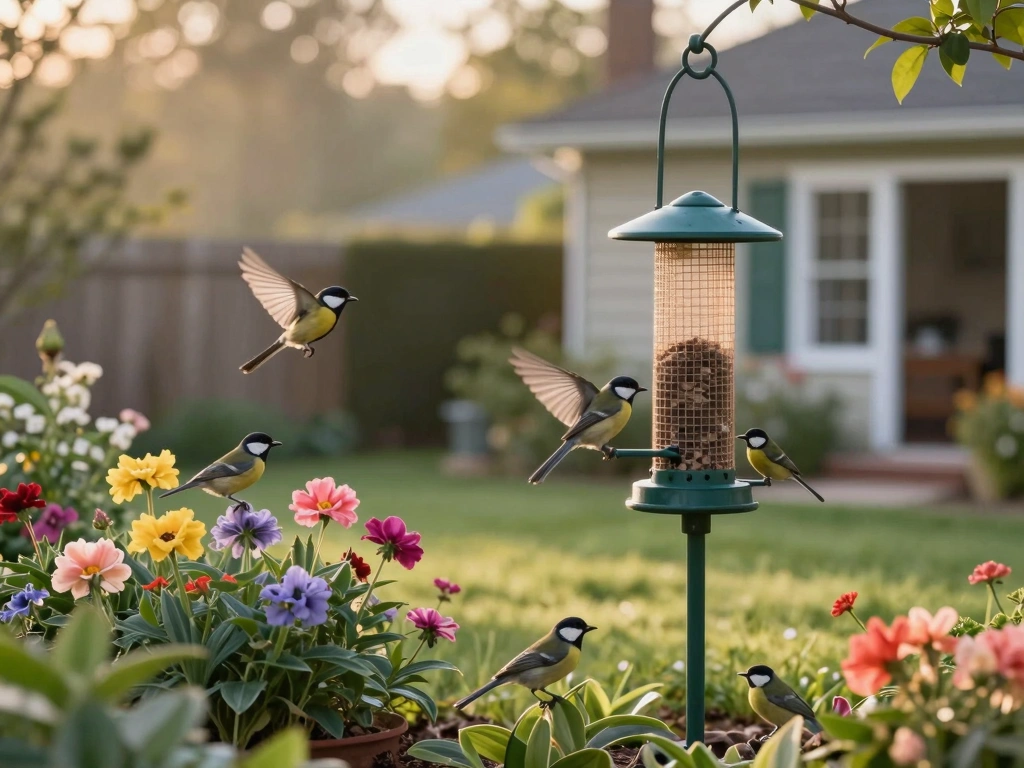
Creating an inviting birdwatching environment in your backyard is vital. Start by setting up bird feeders that cater to local species. An hummingbird feeder filled with sugar-water solution can attract these beautiful birds, while a seed feeder can bring in sparrows, finches, and various other seed-eating birds. Additionally, providing a bird bath can be a great way to attract birds looking for water. Make sure to place feeders and baths in a quiet area, preferably near trees or shrubs that offer shelter and protection for the birds.
Identifying Common Backyard Birds
Bird Species to Look for in Your Area
The species you'll observe in your backyard will depend on your geographical location and the season. Common backyard birds include:
- American Robin - Known for their bright orange bellies, these birds are often the first sign of spring.
- House Sparrow - This adaptable bird thrives in urban areas and can often be found at feeders.
- Blue Jay - Recognizable by their vivid blue coloration, these birds are known for their intelligence and complex social behavior.
- Northern Cardinal - The male’s bright red plumage makes it a favorite among birders.
- Downy Woodpecker - Small and easily identifiable by their pecking sounds and black-and-white patterned feathers.
Research local birding resources or websites specific to your area to find a more comprehensive list of species that you might encounter.
Using Bird Calls to Enhance Identification
Bird calls play a crucial role in identification, especially when visibility is limited. Many species have distinctive calls that can help you determine their presence even if you can’t see them. Consider investing in a bird call identification app, such as BirdNET, which allows you to listen to calls and learn to recognize them. Practice listening to calls in your backyard, associating the sound with the appearance of the bird, which will enhance your identification skills over time.
Observation Techniques for Better Identification
To become adept at identifying birds, utilize specific observation techniques:
- Slow and Steady: Move slowly and quietly to avoid startling birds. Sudden movements can scare them away.
- Use the ‘Look, Listen, and Learn’ Method: Observe the bird’s behavior, listen to its calls, and take note of its feeding habits and interactions with other birds.
- Patience is Key: Sometimes, simply waiting in a quiet spot will yield the best observations. Birds may feel comfortable enough to approach feeders or baths when they sense no immediate threat.
Documenting Your Birding Experiences
Creating a Birding Journal
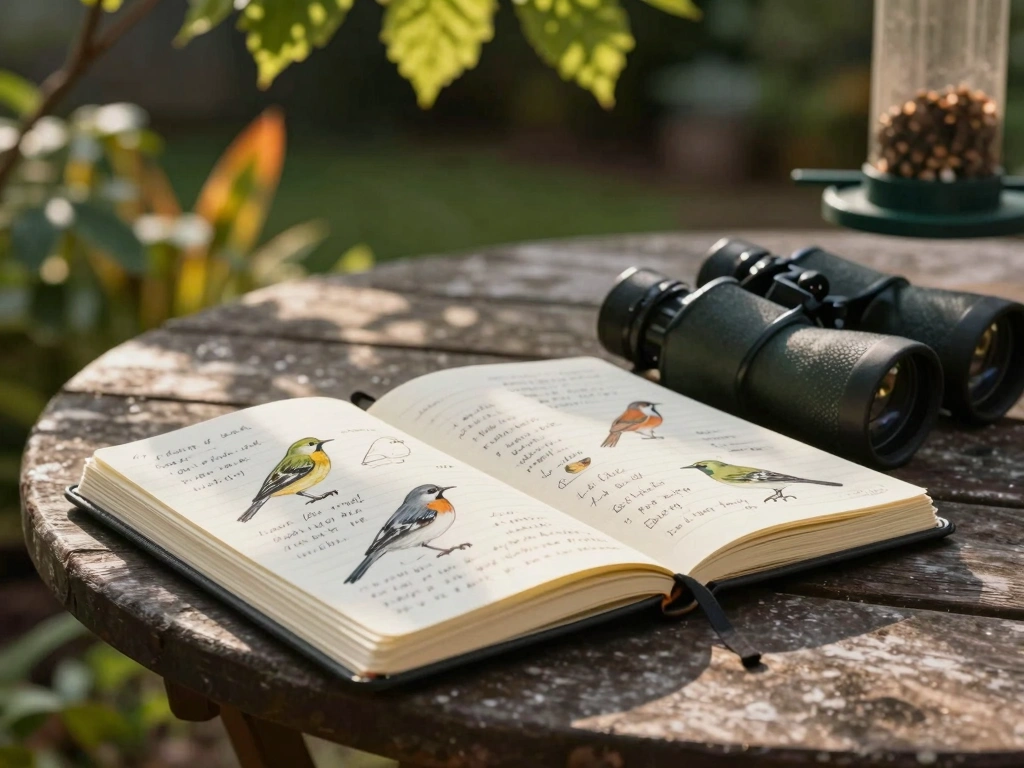
A birding journal is an excellent way to document your observations and experiences. Include details such as the date, location, weather conditions, and any notable behaviors or interactions you observe. Additionally, sketching the birds or pasting photographs can enhance your entries. This practice not only helps you remember each encounter but also allows you to reflect on your growth and progress as a birder.
Utilizing Technology for Record Keeping
In the digital age, technology can be a significant asset in keeping your birding records. Consider using apps like eBird or BirdTrack, which allow you to log your sightings easily and track your life list. These platforms also provide valuable data to researchers and help contribute to the broader understanding of bird populations and movements. Regularly updating your records will keep your list organized and easily accessible.
Sharing Your Findings with the Birding Community
Connecting with the birding community is a rewarding aspect of birdwatching. Sharing your findings can offer insights to others and foster friendships through a shared passion. Participate in local birdwatching clubs or online forums where you can share your life list and observations. Platforms like Facebook or Reddit have dedicated groups for birders where you can post questions, share photos, and exchange tips.
Expanding Your Backyard Birding Skills
Participating in Local Bird Counts
Engaging in local bird counts, such as the Great Backyard Bird Count or the Christmas Bird Count, can significantly enhance your birding experience. These events not only allow you to contribute valuable data for conservation efforts but also provide a structured opportunity to observe and identify various species. Participating in these counts can also connect you with other birders and expand your knowledge through shared experiences.
Connecting with Other Birders
Building relationships with fellow birders can greatly enhance your backyard birding experience. Local birdwatching clubs often host events, walks, and workshops that allow you to learn from more experienced birders. Online communities can also provide a wealth of knowledge, allowing you to ask questions and share your experiences. Networking with other birders can lead to exciting birding opportunities and even invites to private properties where unique species might be spotted.
Continuing Education through Workshops and Online Resources
As you progress in your backyard birding journey, consider seeking out workshops, webinars, and online courses that focus on bird identification and conservation. Organizations such as the Audubon Society and Cornell Lab of Ornithology offer resources and educational opportunities that can deepen your understanding of avian biology, behavior, and ecology. Continuous learning will not only enhance your skills but also inspire a greater appreciation for the birds you observe.